
Our Learning Areas
Six areas of learning shape every session, and most weeks include activities from more than one of them.
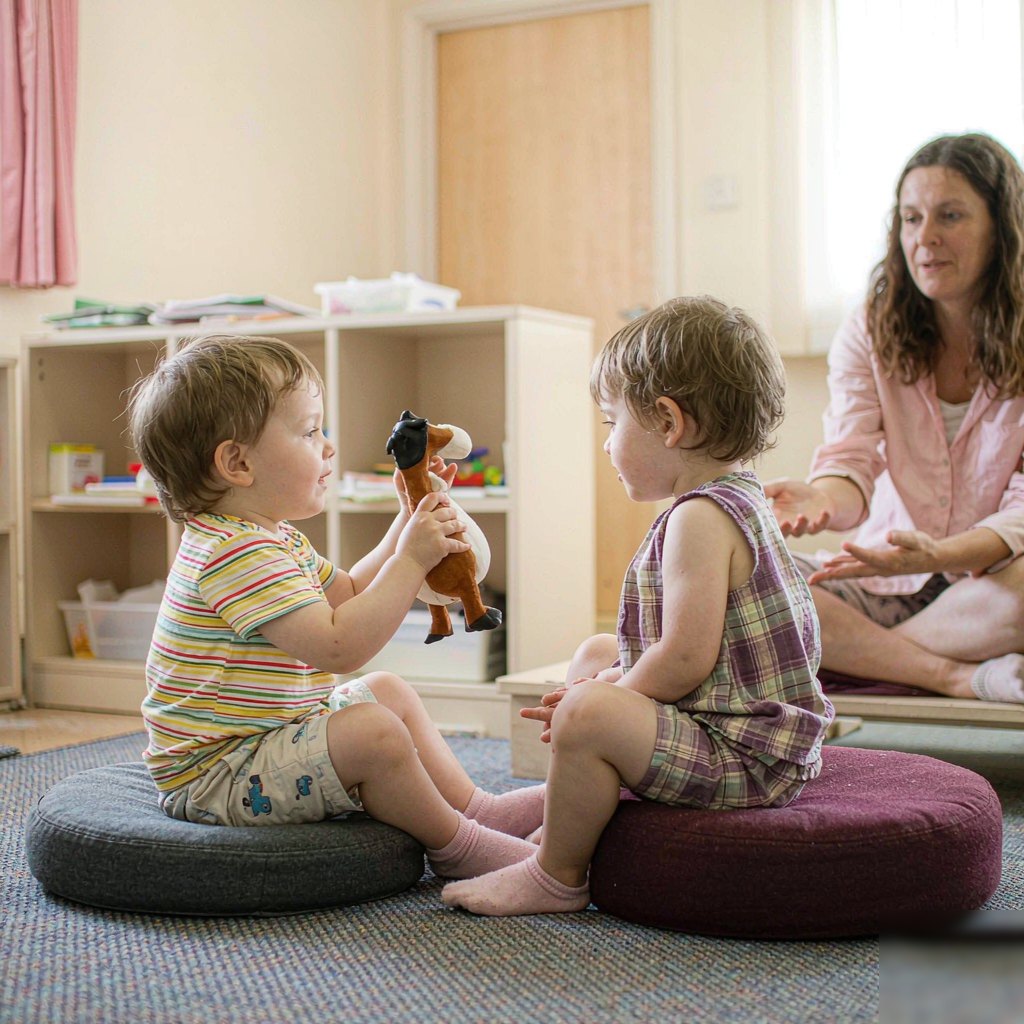
Communication & Language
Included in every session
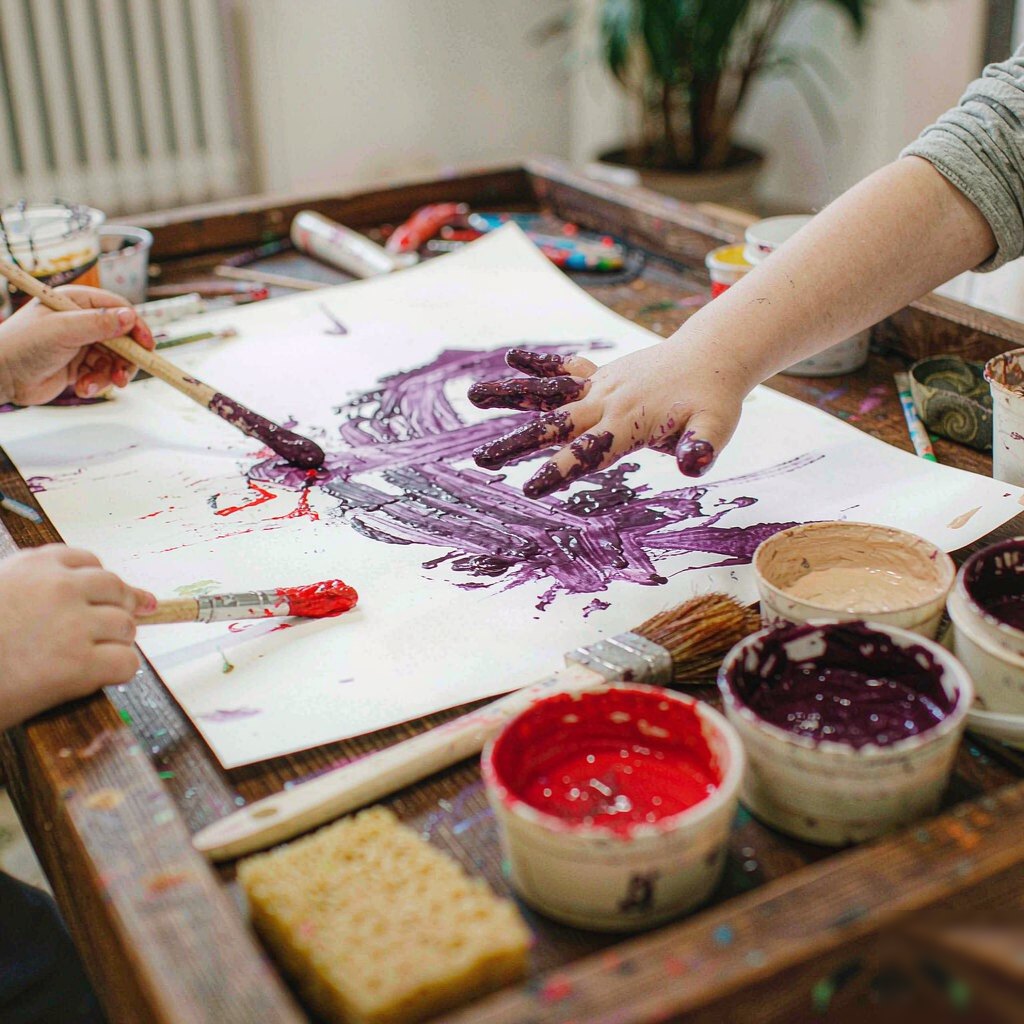
Creativity & Expression
Included in every session
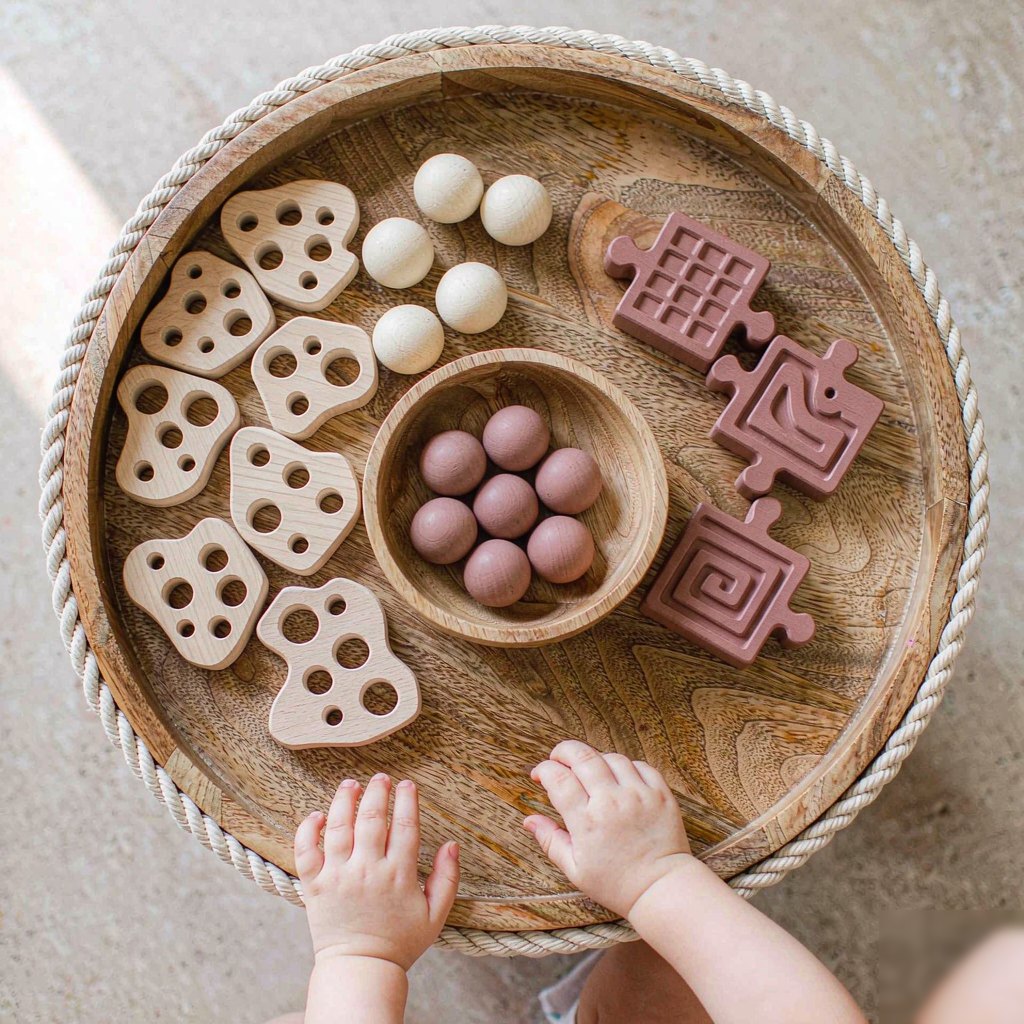
Early Numeracy
Counting, shapes and sorting
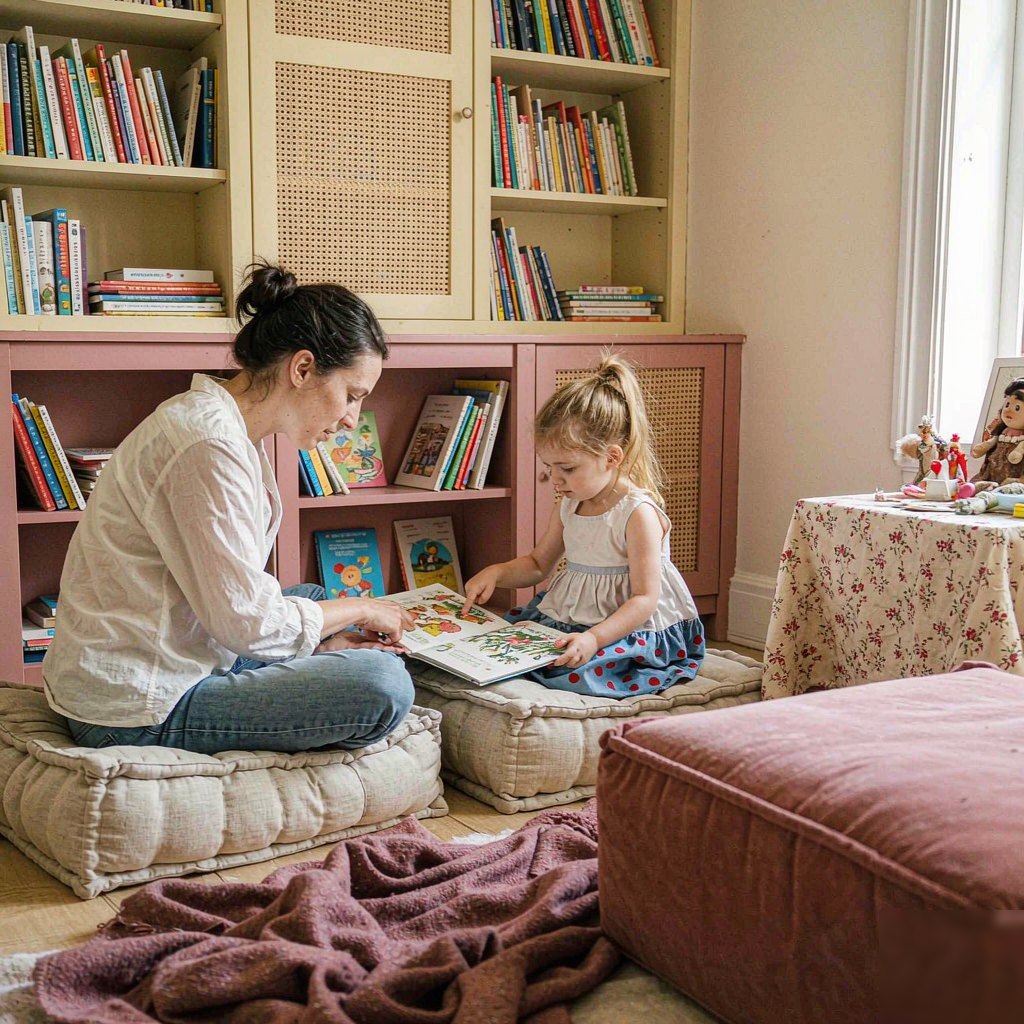
Early Literacy
Books, sounds and mark making
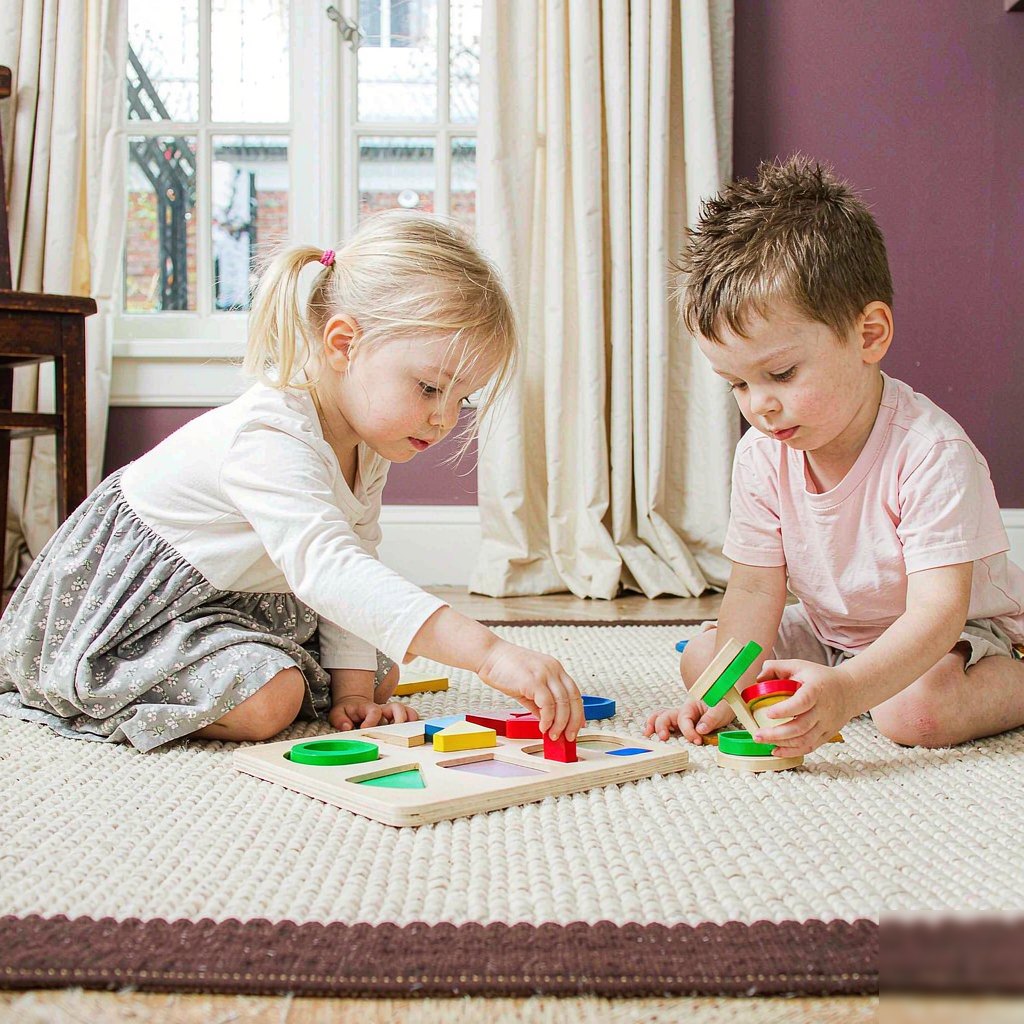
Problem Solving
Included in every session
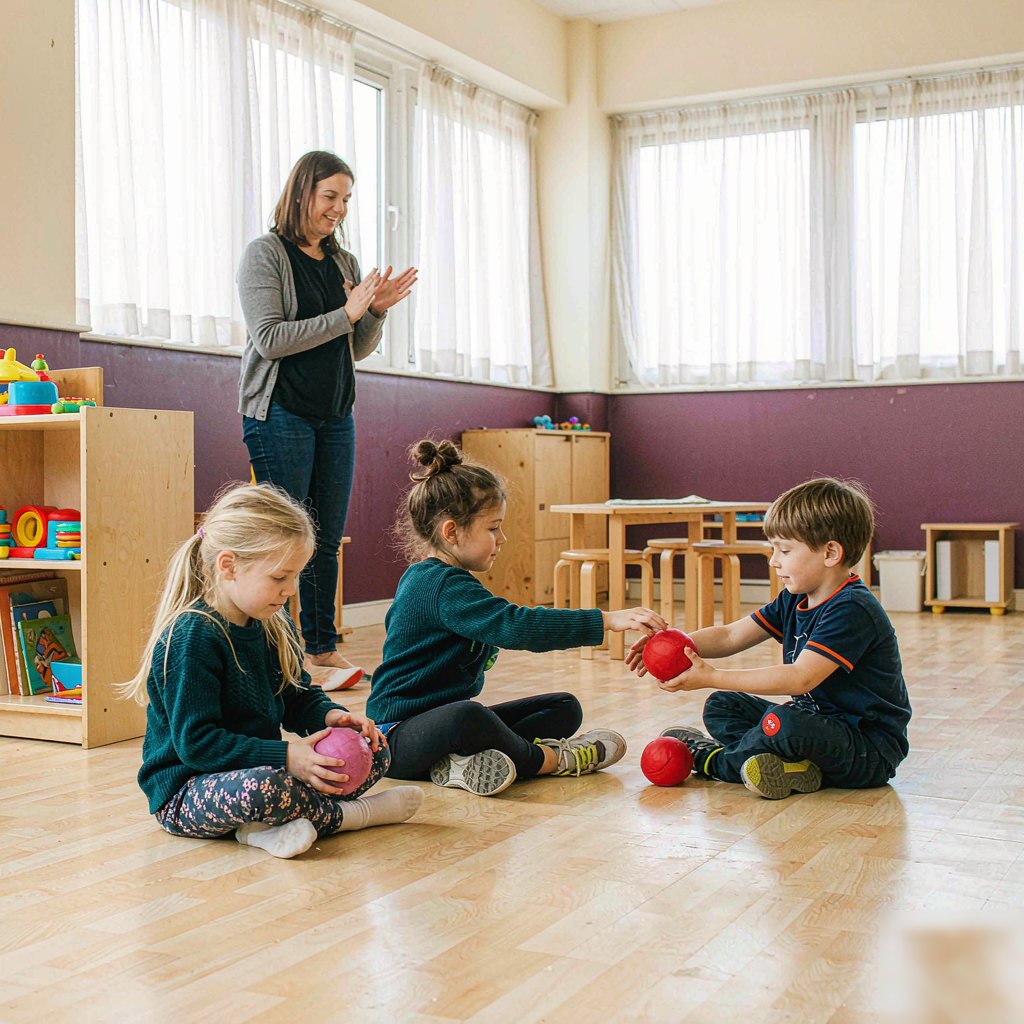
Social Development
Included in every session
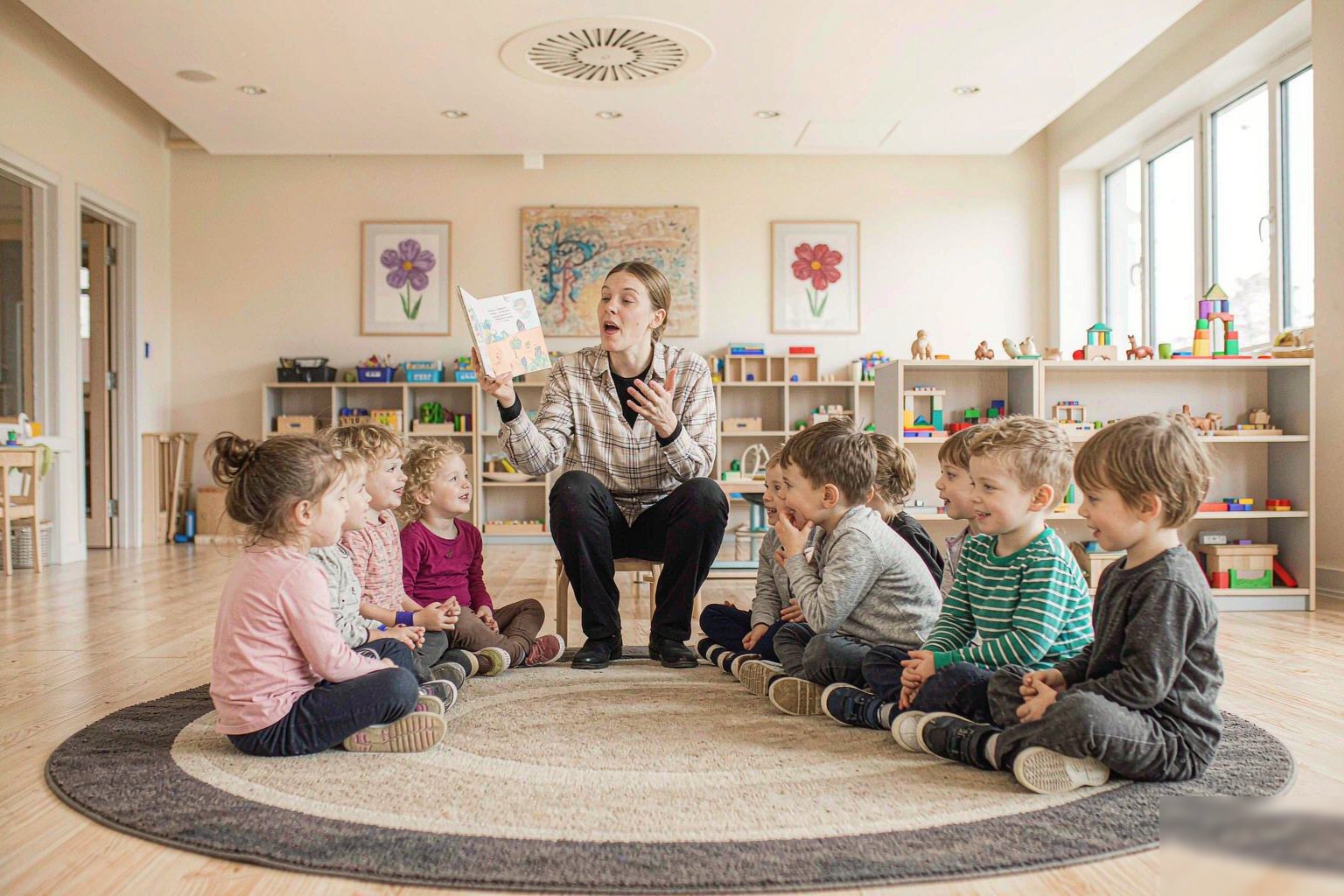
Outdoor Play
Included in every session
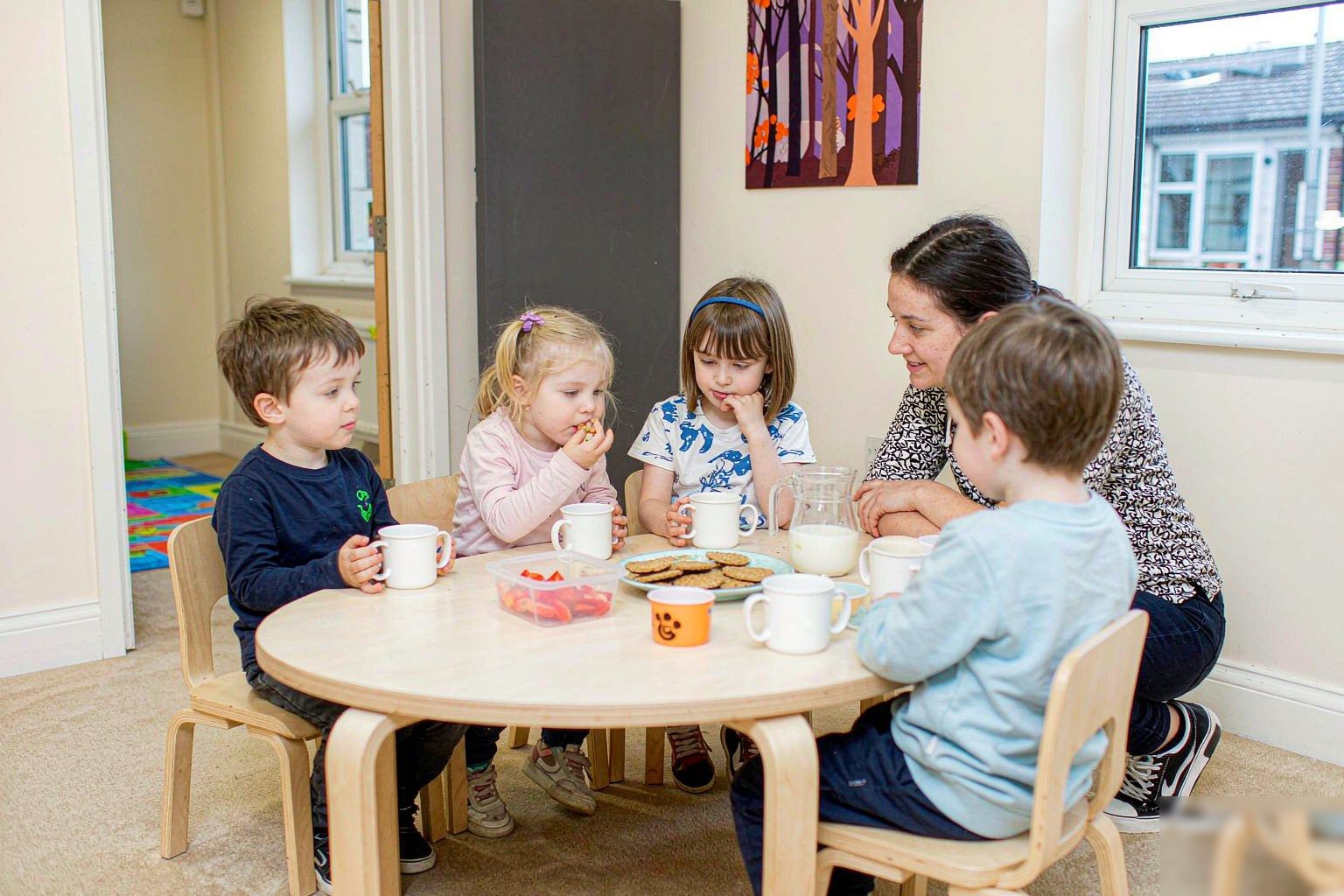
Mealtimes & Rest
Included in every session
How the Six Areas Fit Together
The six areas of learning are not six separate lessons. In a single morning a child might count cups while pouring water outside, negotiate whose turn it is at the mud kitchen, and then tell an adult a story about what happened — early numeracy, social development and communication and language, all inside one activity. We plan invitations to play with those possibilities in mind, then follow what the children actually do with them.
Communication & Language
Talking with children rather than at them: naming things, extending their sentences, waiting long enough for an answer, and modelling conversation in small groups.
Creativity & Expression
Paint, clay, music, movement, role play and making. The value is in the choosing and the doing, so the materials are open-ended and the outcome is never prescribed.
Early Numeracy
Counting things that matter, sorting, matching, comparing sizes, and noticing patterns in the middle of ordinary play rather than in a separate numbers session.
Early Literacy
Stories, rhymes, songs, mark making and print in the environment — the groundwork for reading and writing, long before formal letters and sounds.
Problem Solving
Building, balancing, fitting, taking apart and trying again. Adults help by asking questions rather than by fixing the tower.
Social Development
Taking turns, sharing, joining a game, saying no, and coming back together after a disagreement. These are learned skills and they need practice with other children.
Outdoor Play and Movement
Children go outside in almost all weathers, with waterproofs and boots, because the garden gives them a kind of space the room does not. Water, sand, soil, plants and a climbing frame all offer something different: heavier work for the body, bigger messes to manage, and the first understandings of risk. Adults are outside with the children the whole time.