
Our Daily Rhythm
How a Session Runs
Routines are kept consistent so children know what happens next. Times are a guide and shift slightly with the group and the weather.
8.45am
Arrival and Welcome
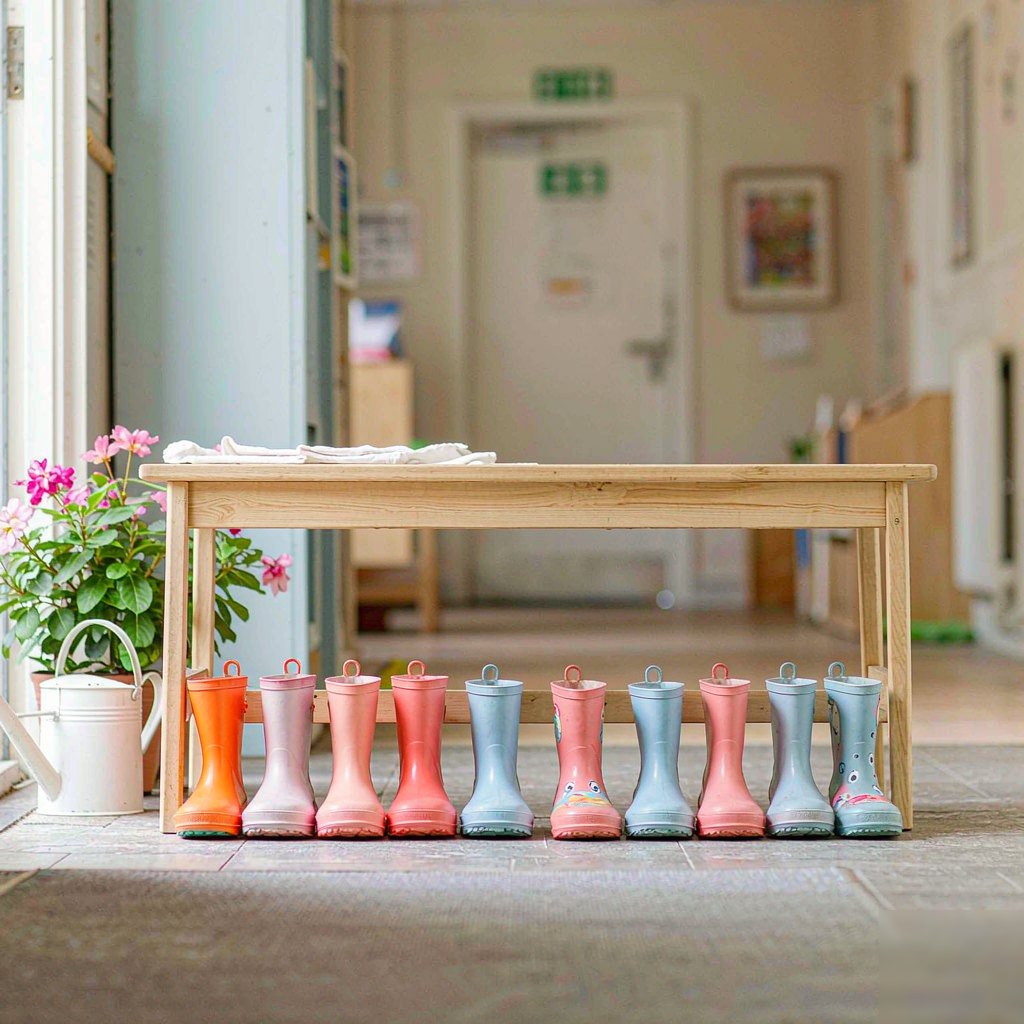
Children hang up their coats, find their own peg and settle into free play while everyone arrives.
9.15am
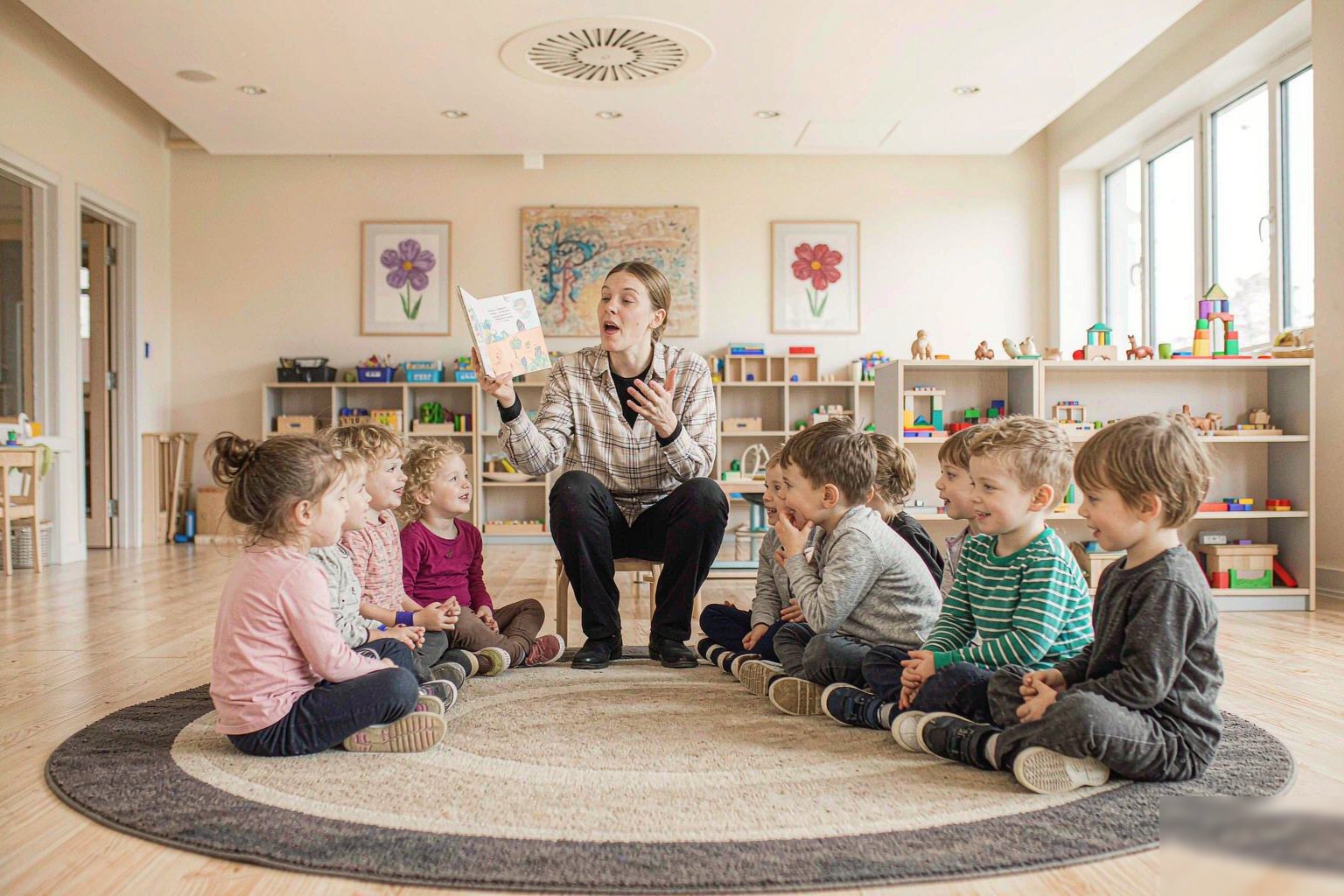
Circle Time
Songs, a story and a chance to talk about the day. Everyone joins in at their own pace.
9.45am
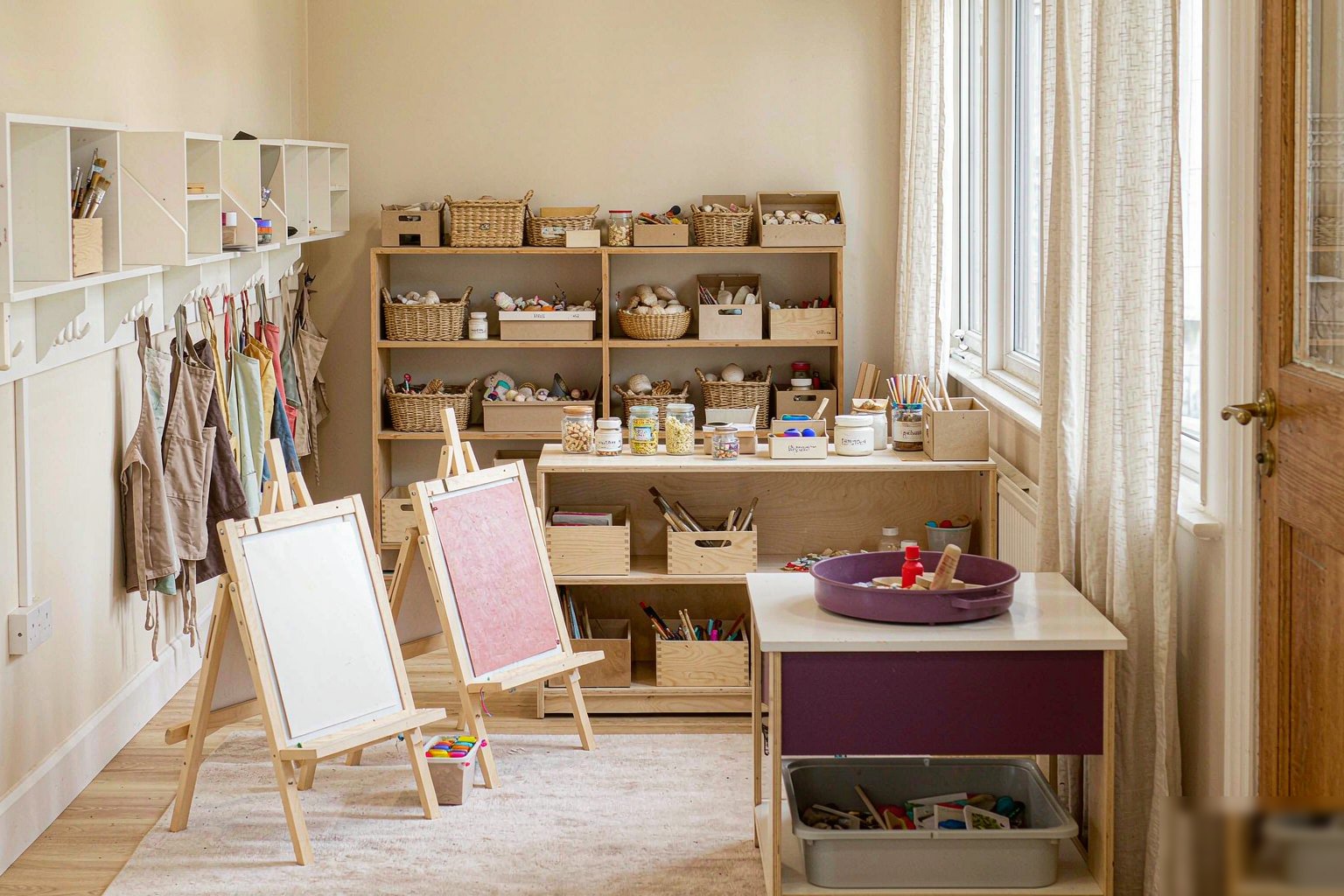
Learning Areas
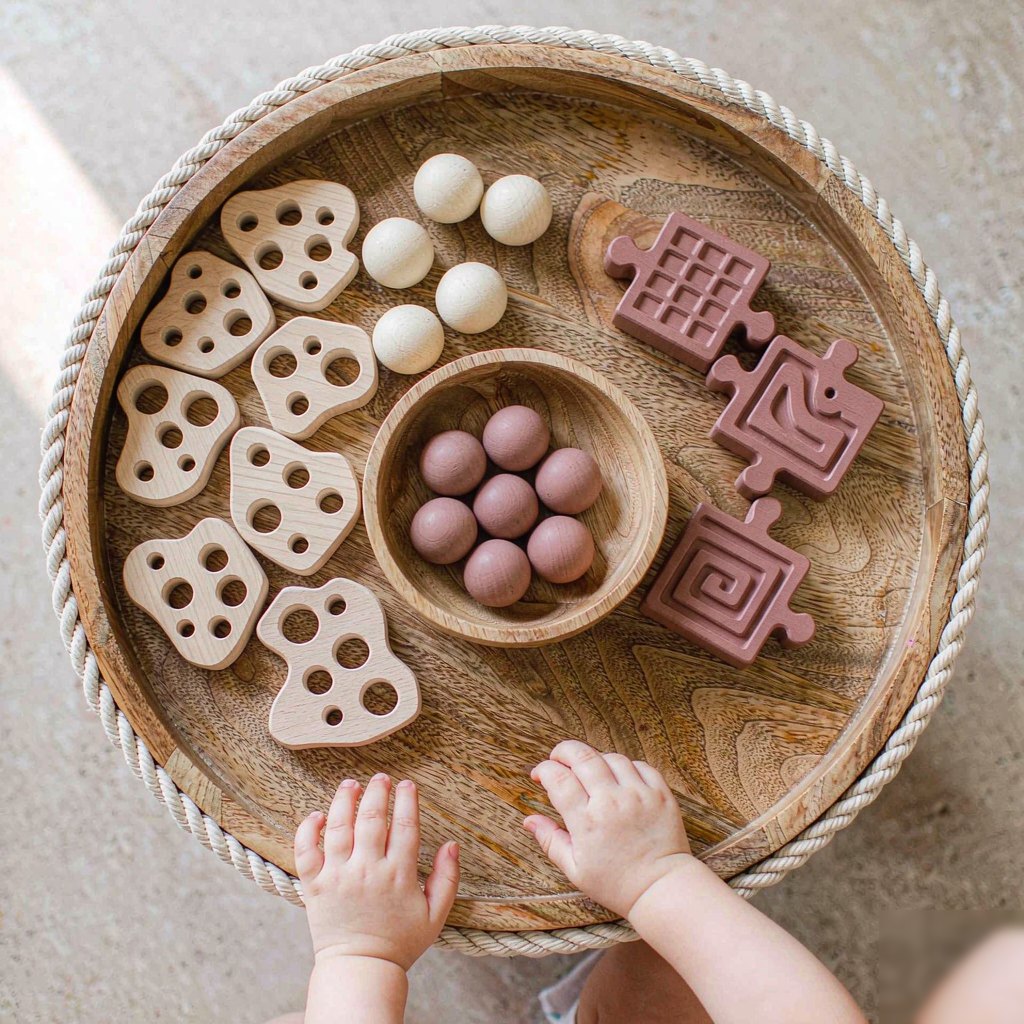
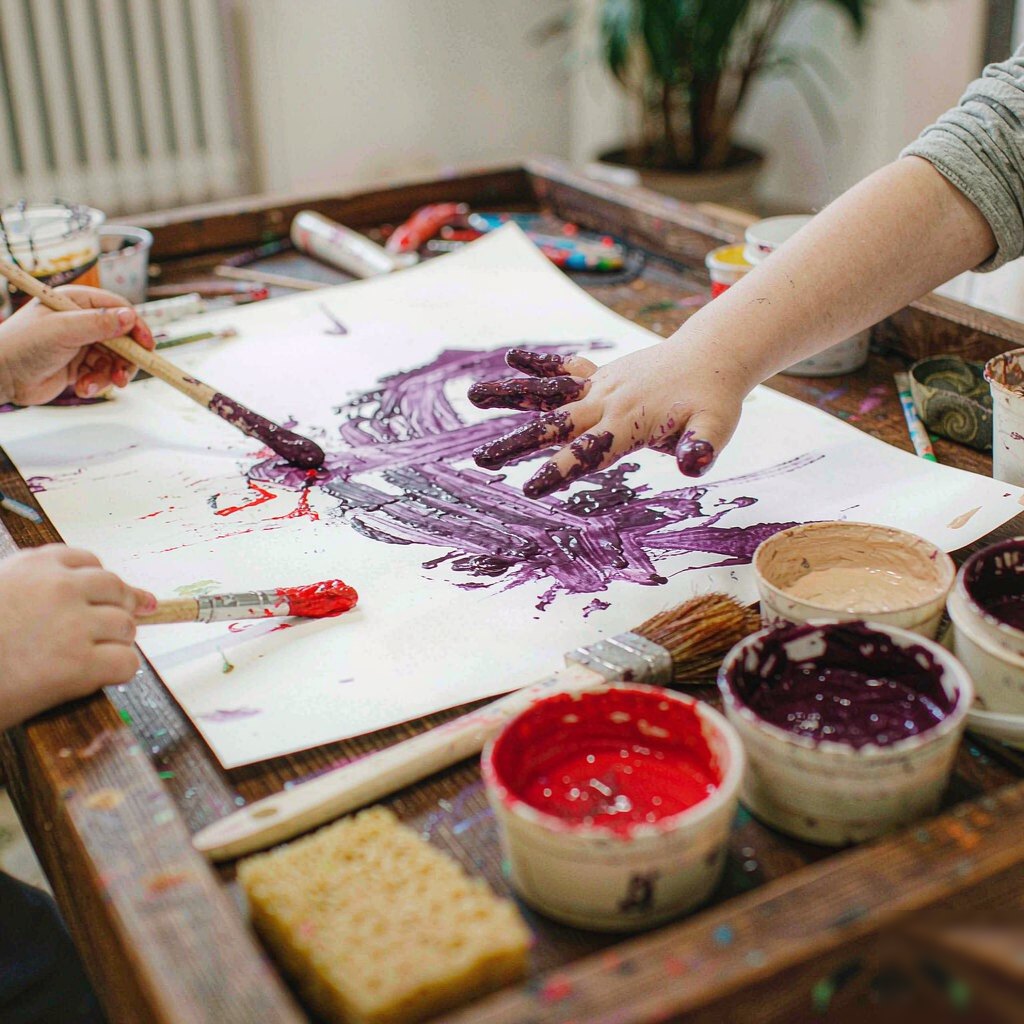
Activities from the six areas of learning, set out on tables and on the floor so children can choose.
10.30am
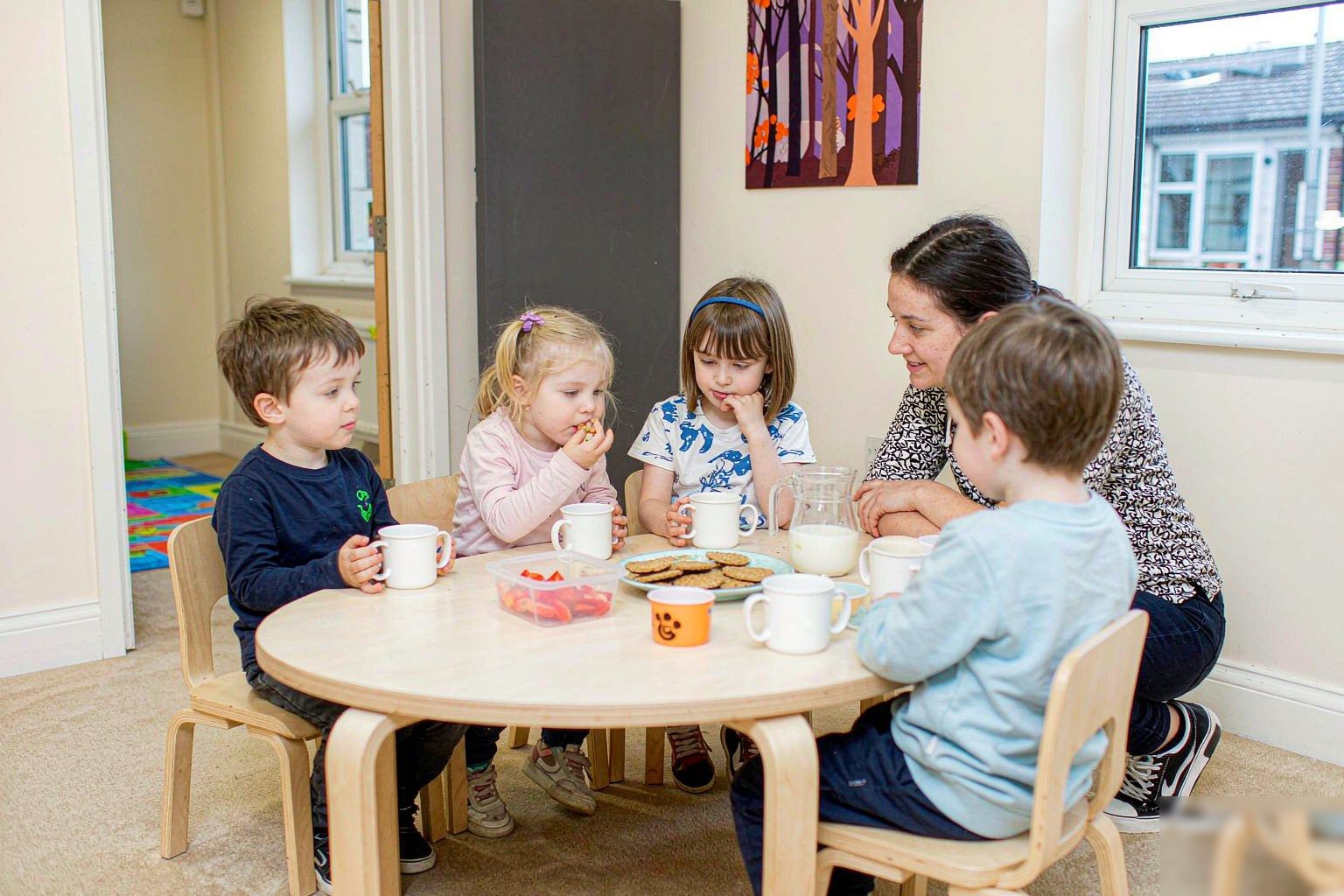
Snack
A calm, sociable snack at a low table, with fruit, oatcakes and milk or water.
11.00am
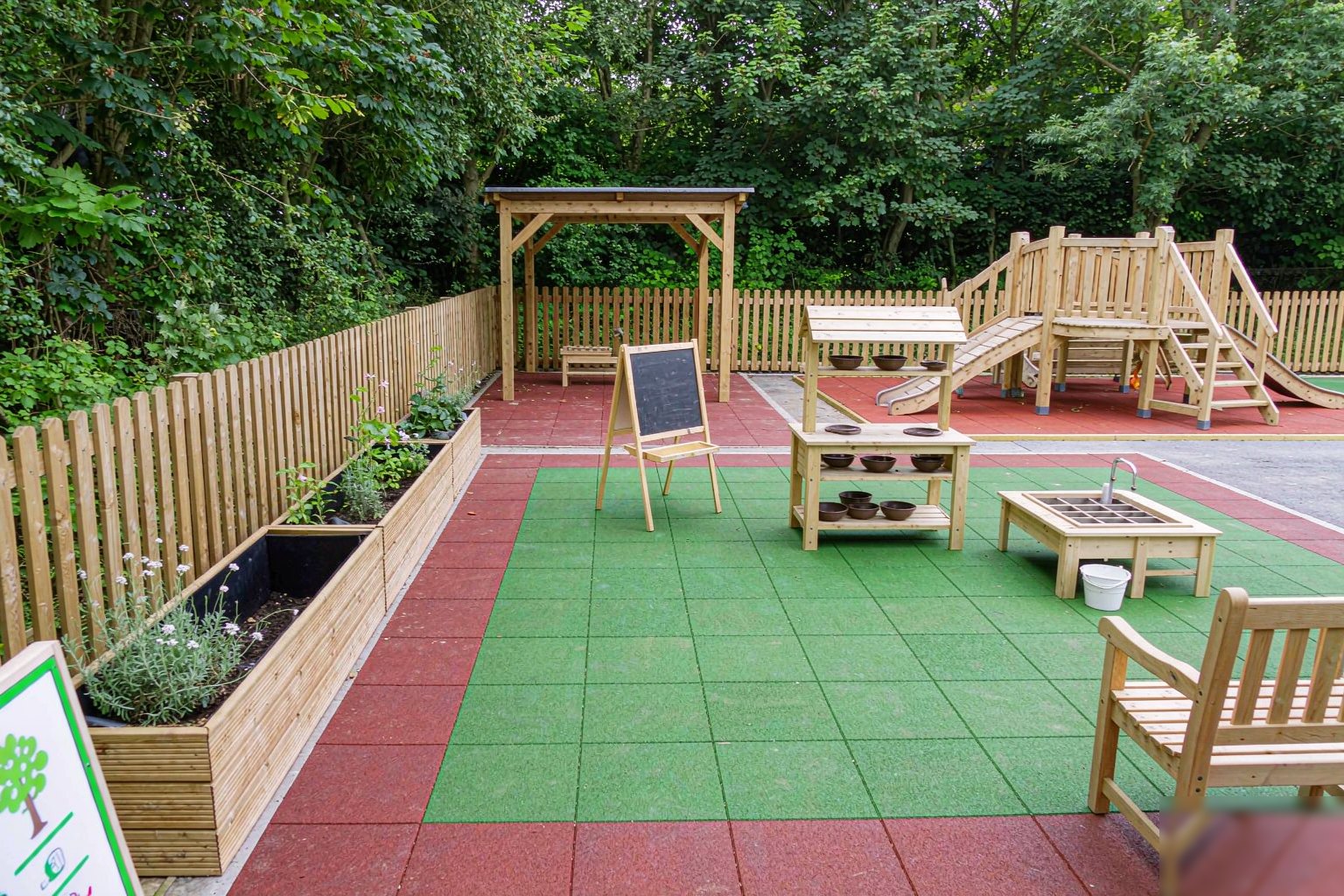
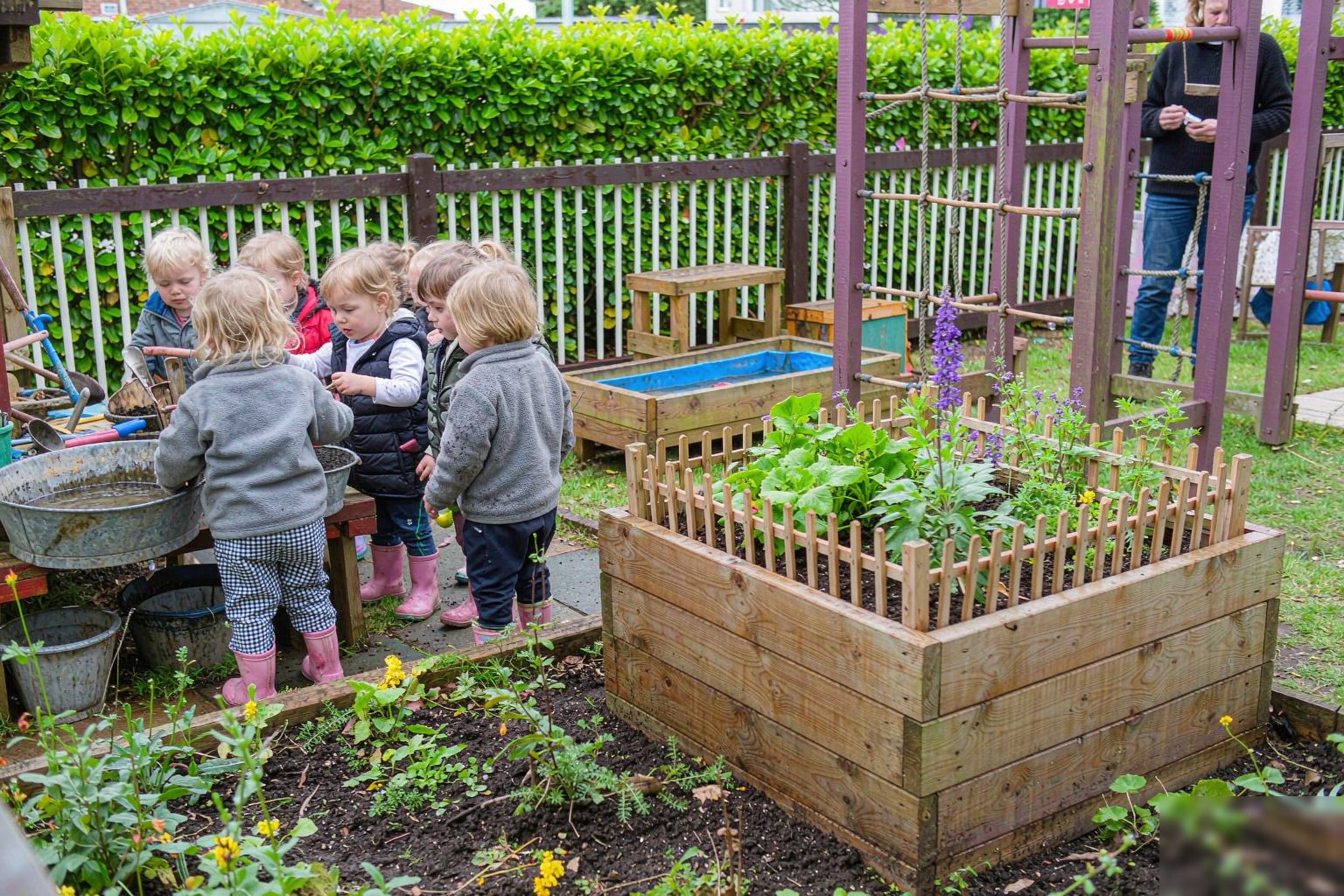
Outdoor Play
Garden time in all weathers: water play, the mud kitchen, planting and climbing.
11.45am
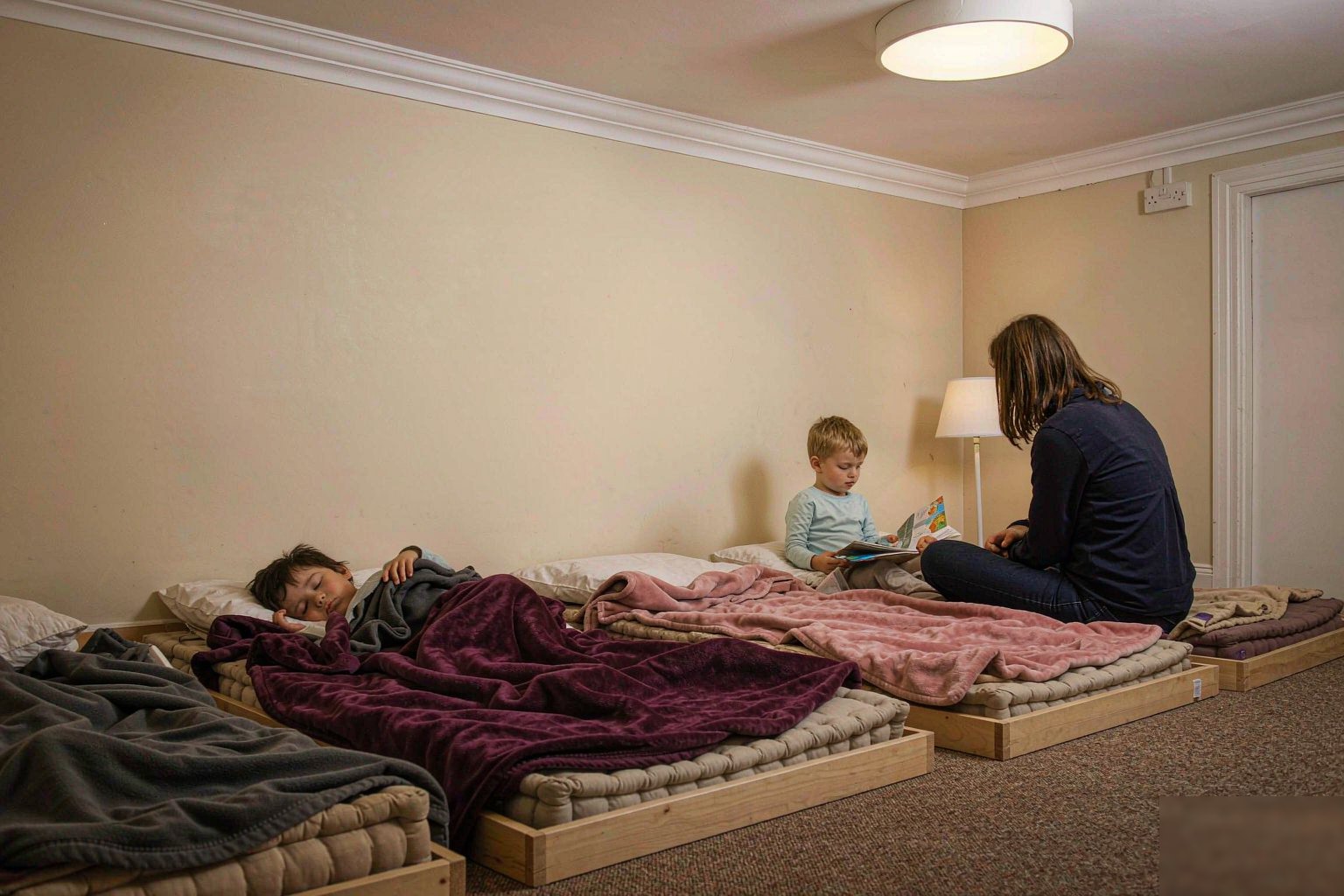
Lunch and Rest
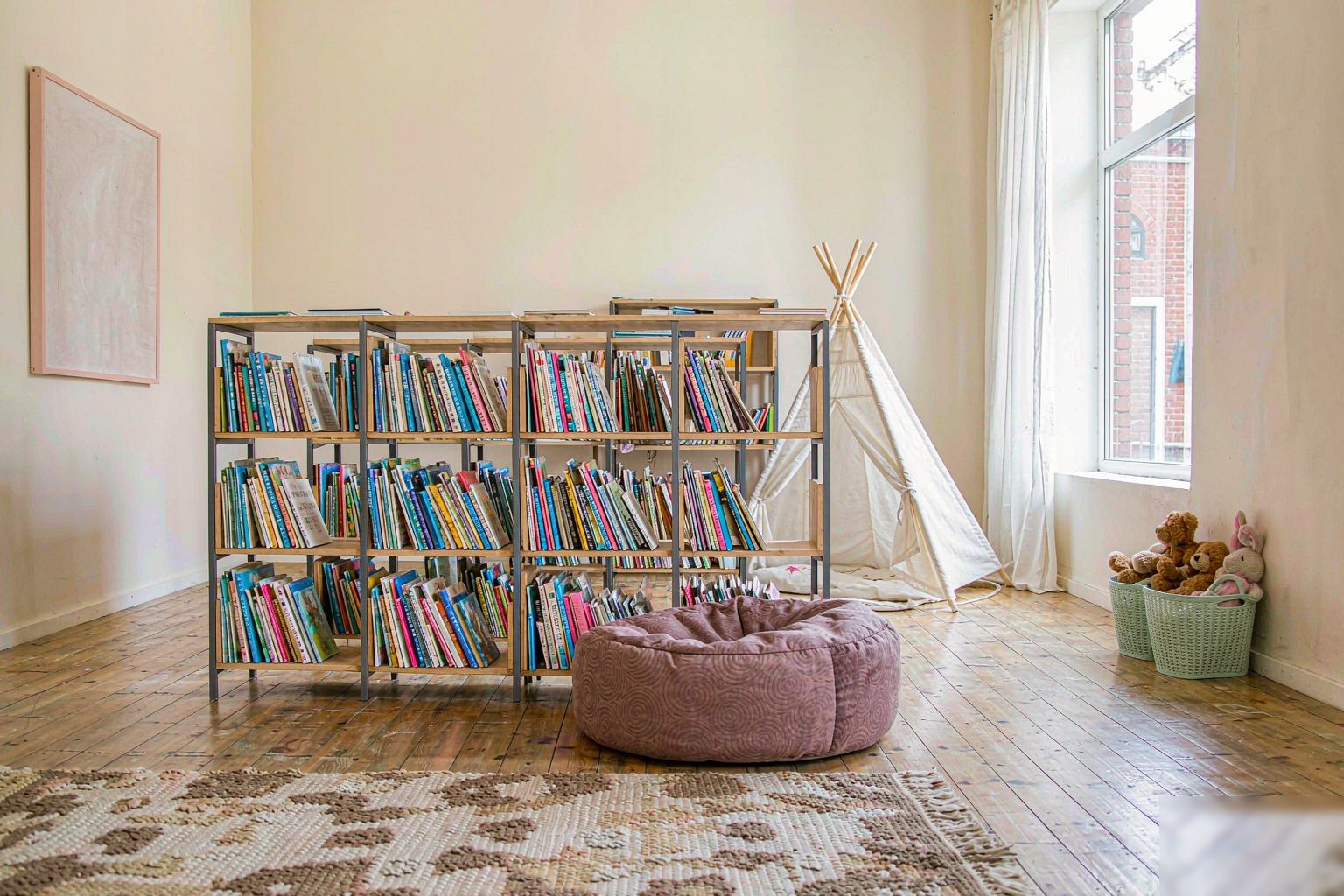
Children staying for the day eat together, then rest or look at books in the quiet corner.
1.00pm
Afternoon Session
More play-based learning, with quieter activities and invitations to explore something new.
2.45pm
Story and Home Time
A closing story, then coats and bags, and a short handover so you know what your child did.
Come and See It for Yourself
Visit us before you book and we will show you the rooms and talk through an ordinary day.
Why the Routine Is Predictable
A predictable routine is not the same as a rigid one. Young children cope better with change when they know what is coming next, so we keep the sequence of the day the same and let the pace inside each part move with the group. Arrival, circle time, learning areas, snack, outdoor play, lunch and rest, an afternoon activity, then a closing story and handover.
Within that frame there is a lot of room. If a group is absorbed in an activity, we let it run and shorten something else. If the weather turns, outdoor play moves earlier. If a child needs a quiet minute, the book corner is always open and an adult will go with them. Routines exist to make children feel safe, not to make the day tidy.
Because the same practitioners work with the same group each week, they also know which child needs a warning before a transition, which child needs to sit at the end of the table, and which child will need to hear the plan twice. That knowledge is the difference between a routine that helps and a routine that just happens to children.